
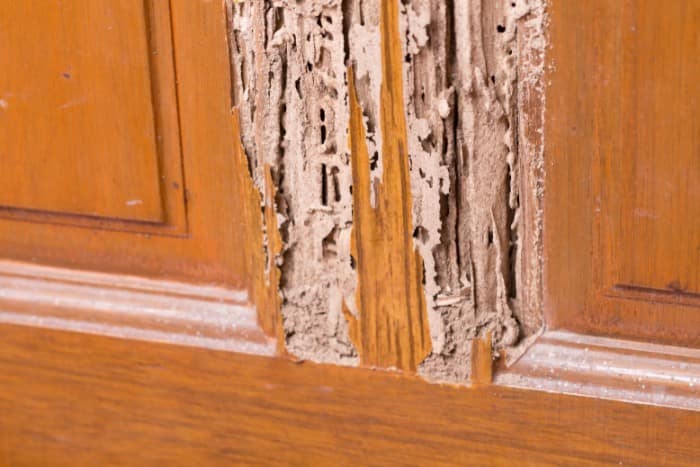
Have you ever tapped on a wall or floorboard and heard a hollow sound? That small clue could mean termites have already begun eating away at your home’s structure from the inside out. In Texas, where termite-risk zones are among the highest in the country, infestations can go unnoticed for months, sometimes even years, until serious structural damage becomes apparent.
Understanding how termites cause damage and recognizing early warning signs are essential steps in protecting your property. From subterranean termites tunneling through soil to drywood termites infesting your attic, these wood-destroying insects can compromise the integrity of your home faster than you might expect.
Why Texas Homes Are Especially Vulnerable

The environmental conditions for termites in Texas are almost ideal. With warm temperatures, high humidity, and ample food sources in the form of structural wood, both subterranean and drywood termite species thrive year-round.
Unlike northern states that experience long freezes, Texas never truly sees an “off-season” for termites. The termite season in Texas typically peaks from spring through fall, when termite swarmers, winged reproductive members of the colony, take flight to form new colonies.
Homes built with pier and beam construction or slab foundations are especially at risk. Soil-to-wood contact, moisture buildup under crawl spaces, and foundation cracks provide easy termite entry points, allowing colonies to reach your home’s internal framework unnoticed.
How Termites Invade: Silent Entry and Colony Behavior

Termites don’t chew through open wood surfaces like carpenter ants or beetles. Instead, they enter subtly through:
- Soil-to-wood contact beneath porches or crawl spaces.
- Mud tubes along foundation walls and plumbing lines.
- Expansion joints, utility penetrations, or small cracks in masonry.
Once inside, they begin consuming cellulose, the main component of wood. Over time, termite colonies, which can number in the hundreds of thousands, expand their feeding zones through your floor joists, wall studs, support beams, and subfloors, causing hidden structural wood damage.
Because termites work behind walls and under flooring, homeowners often fail to detect infestations until serious problems appear.
Signs of Termite Damage in Texas Homes

Recognizing termite damage signs early can prevent costly repairs. Here are the most common indicators:
1. Mud Tubes
Thin, pencil-sized mud tubes running along foundation walls or crawl space supports are one of the clearest signs of subterranean termites. These tubes maintain moisture as termites travel between their underground nests and your home’s wood structure.
2. Hollow or Weak Wood
If wood sounds hollow when tapped or feels soft under pressure, cellulose consumption may already be advanced. Probe exposed beams or joists with a screwdriver; if it easily punctures, termites have likely hollowed it out from within.
3. Blistered or Bubbled Paint
Moisture buildup caused by termite tunnels beneath paint or wallpaper can lead to surface blistering or bubbling, often mistaken for water damage.
4. Sagging Floors and Sticking Doors
As termites eat away at subfloors, floor joists, and support beams, floors can begin to sag, and doors or windows may stick. These are telltale signs that structural damage is affecting alignment.
5. Discarded Wings and Swarmers
After a termite swarming event, you may find piles of termite wings near windowsills, door frames, or light fixtures. These discarded wings indicate a nearby termite colony has matured enough to reproduce, and possibly expand inside your home.
6. Musty Odors and Wood Dust
A musty or mold-like odor may accompany termite infestations, especially in hidden areas like attics or crawl spaces. Fine wood dust or frass may appear beneath infested areas, a common byproduct of termite tunneling.
Why Even New Homes Aren’t Immune

A common misconception is that newly built homes are safe from termite damage. In reality, all wood-based structures are at risk, particularly when moisture control isn’t maintained.
- New homes often have wood debris or scrap lumber left around foundations, which attracts termites.
- Improper drainage near slab foundations encourages colonies to build mud tubes.
- Crawl space moisture or plumbing leaks create the damp environments termites need to survive.
Even treated wood eventually loses its protection, making annual termite inspections critical for ongoing safety.
The Cost of Termite Damage in Texas

The cost of termite damage repair in Texas can be substantial. Depending on the extent of the infestation, homeowners may spend anywhere from $2,000 to $8,000 or more to replace compromised structural wood, flooring, or walls. Unfortunately, most home insurance policies don’t cover termite damage costs since infestations are considered preventable.
This makes early termite detection and professional pest control essential investments rather than optional services.
Early Detection and Inspection Tips

Homeowners can take several steps to detect and minimize risk before termites cause severe damage:
- Inspect your foundation annually. Look for mud tubes, bubbling paint, or small holes in drywall.
- Check for discarded wings around windows, doors, and attic spaces.
- Tap exposed wood beams and listen for hollow sounds.
- Monitor crawl spaces and plumbing areas for excess moisture or leaks.
- Keep landscaping mulch and firewood at least 12 inches away from the foundation.
Professional termite inspection services use advanced tools like moisture meters, infrared scanners, and detection probes to uncover hidden activity.
Preventing Termite Infestations in Texas Homes

Preventing a Texas termite infestation requires a combination of structural awareness and routine maintenance. Here are the best termite prevention tips for homeowners:
1. Reduce Wood-to-Soil Contact
Termites bridge soil gaps to reach wood. Ensure decks, porches, and siding are elevated above ground level. Replace wooden fence posts or supports with metal or treated alternatives.
2. Manage Moisture Around the Foundation
Install proper drainage systems, repair leaks, and use vapor barriers to reduce crawl space moisture. Termites rely heavily on humidity to survive.
3. Seal Entry Points
Caulk cracks, foundation joints, and utility openings where termites might enter. Pay special attention to plumbing and HVAC penetrations.
4. Use Termite Barriers and Bait Systems
- Termite barriers (chemical or physical) create a defensive perimeter beneath or around your foundation.
- Termite bait systems strategically placed around the property attract and eliminate foraging termites.
Both methods are highly effective when installed and maintained by licensed termite exterminators.
5. Schedule Annual Termite Inspections
Routine inspections by professional pest control experts are the most effective way to maintain home termite protection. An annual evaluation ensures any early activity is caught before major damage occurs.
Professional Termite Treatment Options

If an infestation is confirmed, termite treatment options vary based on species, severity, and structural design:
- Soil-applied termiticides target subterranean termite colonies near foundations.
- Direct wood treatments protect structural wood from future damage.
- Termite bait systems provide long-term monitoring and colony elimination.
- In extreme cases, fumigation may be required for widespread drywood termite infestations.
Combining professional services with consistent homeowner maintenance provides the best long-term defense against reinfestation.
Termite Control for Peace of Mind

Because termites work silently, many Texas homeowners only discover infestations after significant damage has occurred. Regular inspections, moisture management, and preventive termite control methods are your strongest defenses.
If you suspect termite damage or want to safeguard your home before termite season peaks, contact Broken Arrow Pest Control today. Our licensed termite experts specialize in early detection, advanced termite treatment, and complete home protection plans tailored for the unique termite conditions in Texas.
Don’t wait for visible signs, schedule your termite inspection now and protect your home from the ground up.