
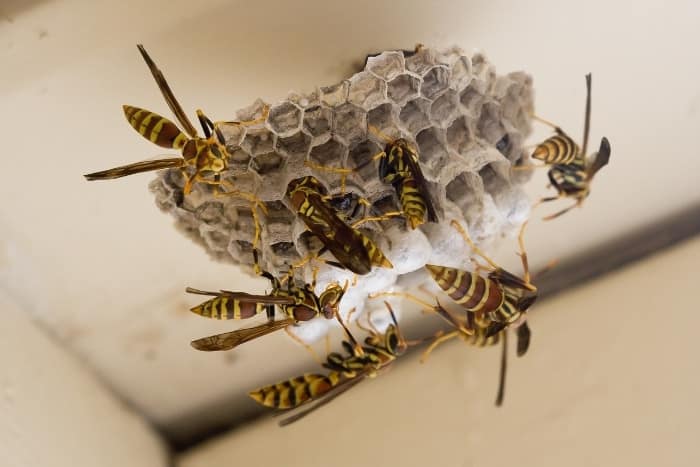
Have you noticed increased buzzing around your home or discovered a new wasp nest in the yard? Whether it’s a wasp nest in the house or an outdoor wasp nest near your deck, roofline, or shed, knowing how to respond safely is critical. Unlike many pests, wasps can be aggressive, and their nests can be in hard‑to‑reach or hidden locations. This homeowner’s guide explains how indoor wasp nests differ from outdoor ones, how nest location changes removal strategy, and when it’s essential to contact professional assistance.
Understanding Why Wasps Nest Inside vs. Outside
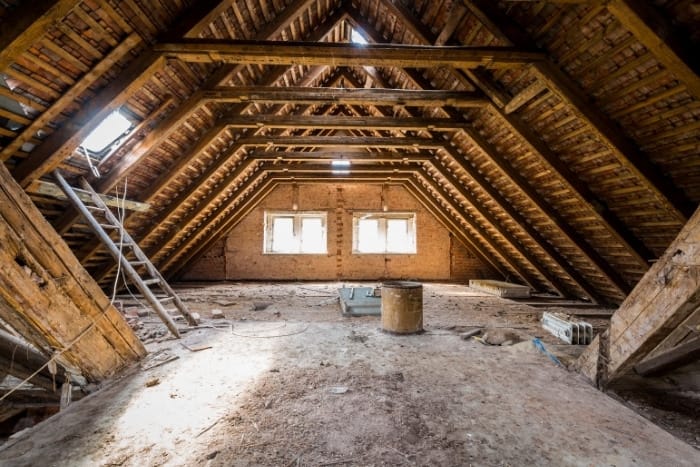
Wasps are opportunistic builders. Depending on the species, whether yellow jacket nest removal, paper wasp nest, or other types, they seek shelter and materials for nest construction.
How Wasps Enter Homes
Wasps commonly enter through:
- Small cracks in walls
- Open vents
- Gaps around windows and doors
- Crawl space openings
- Attic vents
Once inside, wasps can establish nests in cooler, protected areas like:
- Wall voids
- Attics
- Crawl spaces
- Vents
- Soffits
Enclosed spaces protect young and workers from the weather and predators. Unfortunately, those same protections make indoor wasp nests particularly dangerous for homeowners.
The Risks of Indoor Wasp Nests

An indoor nest significantly increases wasp sting risk because:
- Wasps have limited escape routes in enclosed spaces
- Activity intensifies when nests are accidentally disturbed
- Proximity to family and pets increases the chance of conflict
Hidden nests, such as wall voids or air vents, are often noticed only after infestations grow. Signs include:
- Sudden buzzing sounds in walls or ceilings
- Wasps flying in hallways or near vents
- Sudden increase in wasp sting risk inside the home
Indoor nests require serious safety precautions and, in many cases, professional intervention.
Evaluating Indoor Wasp Nest Situations

Homeowners should assess the urgency of indoor nests and take safety seriously. Evaluate:
- Proximity to daily activity: A nest near frequently used rooms is at high risk.
- Accessibility: Hidden or elevated indoor nests in attics or wall voids are dangerous to reach.
- Aggressive wasps: Some species, like yellow jackets, are more likely to sting.
When to Act Immediately
- Sightings inside bedrooms, kitchens, or living spaces
- Wasps entering from vents or walls
- Visible buildup of activity near indoor openings
In these cases, it’s best to avoid DIY wasp removal. Improper handling of hidden nests greatly increases the risk of injury and reinfestation.
Outdoor Wasp Nest Removal: Location Matters

Outdoor schedules and nest placement determine how homeowners should respond. Common outdoor nesting spots include:
- Roofline nest
- Eaves removal
- Deck nest
- Shed infestation
- Tree nests
- Ground nests
- Wasps under the deck
Each location comes with unique considerations.
Roofline and Eaves
Nests along the roofline and eaves are common because they provide stable shelter from wind and rain. These elevated nests require careful planning:
- Height increases sting risk
- Ladders and unstable footing add danger
- Protective gear should be used
Decks, Sheds, and Trees
Nests built in or near human activity areas pose everyday risks:
- Wasps near patios and decks create frequent contact
- Sheds and trees close to pathways increase foot trafficencounters
- Ground nests are hazardous for children and pets
Evaluating Outdoor Risks
When considering outdoor nest removal:
- How close is the nest to doors and windows?
- Is it within reach of pets or play areas?
- Is the nest easily accessible or requiring climbing?
Location determines tools, protective measures, and strategic sequencing during removal.
DIY Wasp Nest Removal: When It Works and When It Doesn’t

Homeowners may be tempted to tackle wasp nest removal themselves, but it’s important to understand limitations.
Safe DIY Scenarios
DIY removal may be manageable when:
- Nests are small and low to the ground
- Wasps are not aggressive or frequenting the area
- You have proper protective gear
- You use recommended treatments like evening wasp sprays when wasps are less active
Limitations of DIY Wasp Removal
DIY efforts often fall short when:
- Nests are inside wall voids, attics, or vents
- Nests are high or difficult to reach
- Wasps are especially aggressive
- The structure or materials surrounding the nest are damaged
Using improper tools or timing can provoke wasps, leading to multiple stings or incomplete nest removal. DIY solutions like sprays or dust insecticide may chase wasps deeper into walls or voids, making future removal more difficult.
Outdoor DIY Treatment Considerations

For outdoor nests that are easy to access:
- Apply evening wasp spray when most wasps are inactive
- Wear full protective clothing and face protection
- Stay a safe distance and plan an escape route
However, even in these scenarios, nests in trees or rooflines may still be safer for professionals to handle.
Why Professional Wasp Nest Removal Is Often the Safer, More Effective Choice

When it comes to hidden or complicated nests, especially those inside your home, seeking a professional exterminator is critical.
Benefits of Professional Wasp Nest Treatment
- Safe homeowner removal alternatives with minimal risk
- Trained technicians with protective gear
- Tools and sprays designed for deep nest penetration
- Knowledge of how wasps behave in enclosed wasp nests
- Reduced risk of multiple stings and allergic reactions
- Follow‑up checks to prevent reinfestation of wasps
Professionals know how to approach:
- Indoor wasp nests in wall voids or attics
- Elevated outdoor nests on rooflines, trees, or under decks
- Nests near high‑traffic areas or pet spaces
Expert removal reduces the chance of injury and ensures the nest and queen are eliminated, preventing return infestations.
Safety First: What Every Homeowner Should Know

Whether DIY or professional, safety must come first. Always consider:
- Wasp allergy danger: Individuals with allergies can suffer serious reactions
- Protective gear wasps: Full coverage, gloves, and eye protection reduce risk
- Escape routes: Plan a clear path before approaching any nest
- Time of day: Evening treatments are often safer, as wasps are less active
Next Steps After Wasp Nest Removal

Once a nest is removed, homeowners should take steps to minimize future problems:
- Seal gaps in siding, vents, and foundation to prevent entry
- Trim tree branches near the home
- Keep trash and food sources covered
- Inspect sheds, crawl spaces, and rooflines regularly
These prevent wasp reinfestation actions help reduce the odds of future nests forming.
What This Means for You

Indoor and outdoor wasp nest removal requires careful evaluation based on location, accessibility, and risk. While some DIY wasp removal methods may work in limited outdoor scenarios, professional wasp nest removal is often the safer, more effective solution, especially for hidden, elevated, or aggressive nests.
When wasps build nests in enclosed spaces such as wall voids, attics, vents, soffits, or high rooflines, improper handling can increase injury risk and lead to reinfestation. Trained professionals have the knowledge, protective gear, and tools to handle these scenarios safely and thoroughly.
If you’ve discovered a nest in or around your home and aren’t sure how to proceed, contact a licensed pest control specialist who understands safe wasp nest removal and can help ensure your home remains safe and wasp‑free.