
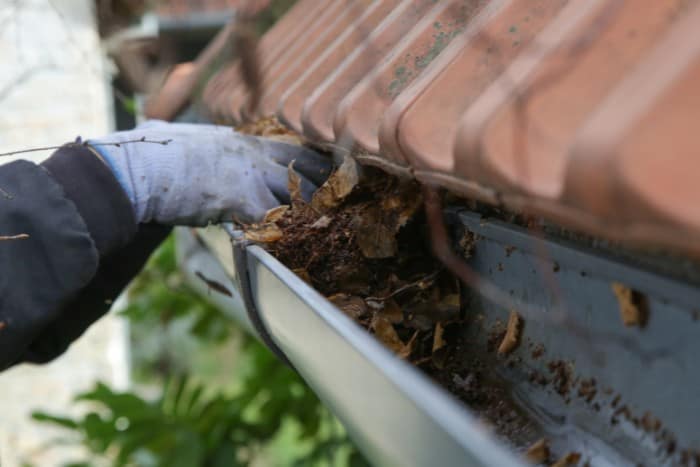
You go to clean your gutters, reach up with your ladder, and suddenly you are eye-level with a paper wasp nest the size of a softball. It happens more often than people expect, especially here in East Texas where the warm, humid climate gives wasp colonies a long active season and plenty of opportunities to get established before a homeowner ever notices.
Wasps in gutters are not just a nuisance. They create a real hazard, and removing them without understanding what you are dealing with can turn a routine chore into a trip to the emergency room. This article breaks down why gutters are such a popular nesting site, what removal actually looks like, and when calling a professional is not just the easier choice but the safer one.
Why Wasps Love Your Gutters
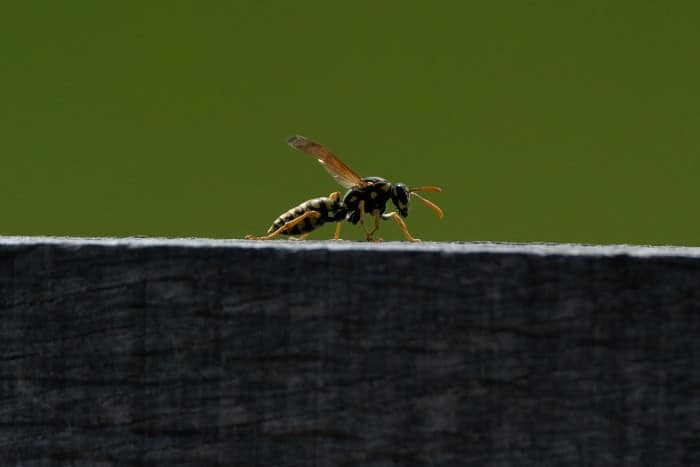
If you have ever wondered why wasps seem to gravitate toward gutters specifically, it comes down to three things: structure, material, and protection.
The Shape of a Gutter Is Basically a Wasp Apartment
Gutters create a long, enclosed channel that runs the full length of your roofline. For paper wasps and other cavity-nesting species common in the Pineywoods region, that channel offers an ideal attachment point. The underside of the gutter lip and the inside corners are protected from wind and direct rain, giving a newly formed queen a stable surface to build from in early spring.
Red paper wasps are particularly common in Southeast Texas, and they are well-adapted to these kinds of overhead, partially enclosed spaces. They will nest under eaves, inside soffits, and inside gutters, often in spots that are completely invisible from the ground.
Debris Gives Them Building Material
East Texas gutters fill up fast. Pine needles from loblolly pines, oak leaves, seed pods, and general organic debris accumulate after every storm. Wasps do not build nests from wood fiber alone. They scrape plant fibers, chew them down, and combine them with saliva to form the papery material you see in their nests. A gutter full of dry leaves and pine debris essentially provides a local supply depot for whatever colony decides to move in.
A clogged gutter also holds moisture longer, which softens organic material and makes it easier for wasps to break down and use. So the same gutter conditions that cause drainage problems also make your gutters more attractive to nesting wasps.
Height and Enclosure Mean Built-In Protection
Gutters sit 10 to 20 feet off the ground on a typical single-story home. That height alone filters out most natural predators. Add the partial enclosure of the gutter channel itself, and a nest tucked into a corner has very few threats to worry about. That security allows a colony to grow quickly and with minimal disruption, which is exactly why nests in gutters can get large before a homeowner ever realizes they are there.
Why Gutter Wasp Removal Is More Hazardous Than a Ground-Level Nest

Removing a wasp nest from a fence post or a low shrub is risky enough. Remove that same nest from a gutter 15 feet up, and the risk profile changes considerably.
Limited Visibility Means Limited Warning
When you climb a ladder to reach a gutter, you often cannot see inside the channel clearly until you are right at face level with it. By the time you spot an active nest, you may have already disturbed it. Wasps do not need much provocation, especially later in the season when the colony is large and defending a well-established nest.
Working at Height Leaves No Room for Error
A wasp sting at ground level is painful. A wasp sting at the top of a ladder can be catastrophic. The instinct to pull back or swat when stung, which is completely natural, can throw off your balance. A fall from 10 or 15 feet causes serious injuries. This is not a scenario where the stakes are theoretical.
Aggressive Defensive Behavior
Paper wasps, including the red paper wasps common across Polk County, Livingston, and surrounding areas of East Texas, will defend a disturbed nest aggressively. Unlike honeybees, wasps can sting multiple times, and a single disturbed nest can send dozens of wasps out in a defensive swarm very quickly. When you are on a ladder with limited mobility, there is very little you can do to protect yourself or retreat safely.
The Problem With DIY Wasp Sprays in Gutters

Walk into any hardware store and you will find a shelf of over-the-counter wasp and hornet sprays. Most of them advertise a long spray distance, usually 20 or 27 feet, which sounds like enough to reach a gutter nest from the ground.
The Distance Rarely Matches the Reality
In practice, reaching a nest tucked inside a gutter channel from ground level is not as simple as pointing a can upward. The spray has to enter the channel at an angle, reach the nest itself, and penetrate far enough to contact the interior of the nest where larvae and eggs are located. Miss the interior and you agitate the colony without eliminating it.
Partial Treatment Makes Things Worse
A partially treated nest is a primed colony. Wasps that survived the spray are now alarmed, defensive, and aware of a threat. If you need to go back to the gutters for any reason, including cleaning them, you are dealing with a more reactive colony than you would have encountered before you sprayed.
Product Selection and Application Matter
Over-the-counter sprays are not all equivalent, and applying them to an aerial nest inside a gutter is a different challenge than treating a nest at eye level in a bush. Without knowing the species involved, the nest size, or the best access point, DIY treatment is largely a guessing game.
What Professional Wasp Removal Actually Looks Like

When a pest control technician handles a wasp nest in a gutter, the process is deliberate and methodical. Here is what a professional wasp treatment typically includes.
Inspection and Species Identification
The first step is identifying what you are dealing with. Not all wasps behave the same way. Red paper wasps, mud daubers, and yellow jackets each have different colony structures, different defensive behaviors, and different treatment approaches. A trained technician will identify the species before deciding how to proceed.
Locating the Full Extent of the Nest
A nest visible at one point in the gutter does not mean that is the only active area. Technicians inspect the full gutter run, the soffit line, and surrounding eaves to confirm there are no secondary nests or satellite activity before starting treatment.
Targeted Treatment
Professional treatment is applied directly to the nest and the surrounding area, using methods appropriate for the species and the location. The goal is colony elimination, which means reaching the interior of the nest and treating the reproductive core, not just the exterior. This is what separates a professional treatment from most DIY attempts.
Follow-Up to Confirm Colony Elimination
A single treatment does not always equal a solved problem, especially with larger colonies late in the season. Professional pest control services typically include follow-up to confirm that the colony is no longer active and that the nest is no longer in use. This step matters because an abandoned nest can sometimes attract new activity in the same location.
When to Treat: Early in the Season Is Always Better

Wasp colonies in East Texas start small. A newly established nest in early spring may have just a handful of workers. By late summer, that same colony could have hundreds. Treating early, before the colony reaches full size, is consistently safer and more effective.
Spring Nests Are Smaller and Less Defensive
A queen establishing a new nest in March or April is working with a very small workforce. The nest is fragile, the colony has fewer defenders, and treatment is more straightforward. Waiting until July or August means dealing with a fully mature colony that is heavily invested in protecting its nest.
Early Treatment Reduces Structural Risk
Large colonies produce large nests. A paper wasp nest that has been growing inside a gutter channel for several months can be substantial in size. Removing large, established nests sometimes requires more intervention to make sure all nest material is cleared out and the area does not attract new activity.
Watch for These Early Warning Signs
- Wasps hovering repeatedly around the same section of your roofline
- Increased wasp activity near your gutters without an obvious food source nearby
- Wasps flying in and out from the underside of your gutter lip
- Paper-like nest material visible at a gutter end cap or downspout opening
If you notice any of these in early spring, that is the time to call, before the colony has time to grow.
Gutter Maintenance and Wasp Prevention

Keeping your gutters clean is one of the most practical ways to reduce wasp activity on your property. Clogged gutters with accumulated debris give wasps both nesting material and a reason to stay. Clean gutters are less attractive nesting sites.
After a professional treatment, your technician may recommend removing any remaining nest material and making sure gutters are draining properly. Gutters that hold standing water and organic debris will keep drawing wasp activity back to the same spots year after year.
Regular gutter cleaning each spring, before wasp season gets started in East Texas, is a simple step that removes debris wasps would otherwise use and gives you a chance to spot any early nesting activity before it becomes a larger problem.
Key Takeaways

- Gutters are attractive to wasps because of their enclosed shape, available nesting debris, and elevated position
- Removing a wasp nest from a gutter requires working at height near an agitated colony, which is a genuinely dangerous combination
- Over-the-counter sprays frequently fail to fully treat aerial nests in enclosed gutter channels and can make colonies more defensive
- Professional treatment includes species identification, targeted nest elimination, and follow-up confirmation
- Treating early in the season, when colonies are still small, leads to faster, safer results
- Clean gutters are less attractive nesting sites and can help prevent repeat activity
Get Rid of Wasps in Your Gutters the Right Way

If you have spotted wasp activity around your gutters or roofline, do not wait until the colony grows large or until cleaning day forces you into a dangerous situation. Broken Arrow Pest Control has been serving homeowners across Polk County, Livingston, and the surrounding East Texas area since 1976, and we know how local species behave and what it actually takes to eliminate them.
We handle wasp nest removal safely, thoroughly, and with follow-up to make sure the problem does not come back.
Schedule your wasp control service or request an estimate at Broken Arrow Pest Control today! Do not let a gutter nest turn into a bigger problem. Call the local experts who know East Texas and get it handled right.