
Is your gutter system ready to handle the next East Texas downpour, or are pine needles and oak leaves silently packing your gutters into a flooding problem waiting to happen? For homeowners in Livingston, Polk County, and across Southeast Texas, that is not a hypothetical. Heavy rainfall, Gulf humidity, and dense tree coverage make gutter clogging a regular issue, not just a seasonal one.
Gutter guard installation is one of the most practical investments you can make to protect your home, reduce gutter cleaning frequency, and extend the life of your entire gutter system. This guide covers everything you need to know before making that investment.
What Are Gutter Guards and Why Do They Matter in East Texas?
Gutter guards are protective covers or inserts that sit on top of or inside your gutters to limit how much debris enters the channel. The goal is simple: keep leaves, pine needles, shingle granules, and other debris out so that rainwater can flow freely through the system and away from your home.
In East Texas, this matters more than in most parts of the country. The combination of mature pine and oak trees, frequent thunderstorms, and year-round humidity means your gutters are constantly under pressure. Without gutter protection, debris builds up fast, water overflows, and you are left dealing with:
- Fascia board rot along the roofline
- Soil erosion and foundation water problems
- Basement or crawl space flooding
- Pest-attracting moisture near your home’s exterior
- Premature gutter sagging and gutter corrosion
Gutter guards do not eliminate every problem, but they significantly reduce how often these issues develop.
The Most Common Gutter Guard Types: A Plain-Language Comparison

Not all gutter guards are built the same, and the right choice depends on your roof type, tree coverage, and the kind of debris your gutters collect most often. Here is a breakdown of the most common options.
Micro-Mesh Gutter Guards
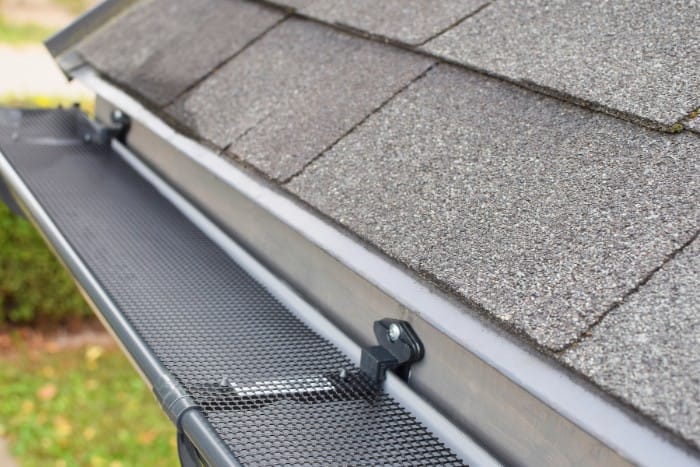
Micro-mesh gutter guards feature an extremely fine stainless steel or aluminum mesh that allows water to pass through while blocking even small debris like pine needles and shingle granules. These are widely considered the most effective option for high-debris areas, which makes them a strong choice for East Texas homes surrounded by pine and oak trees.
They tend to cost more upfront, but the reduction in gutter cleaning frequency makes them a solid long-term value.
Standard Mesh and Screen Gutter Guards
Mesh and screen gutter guards work on the same principle as micro-mesh but with larger openings. They handle large debris like leaves well, but small debris such as pine needles and roof grit can still slip through over time. They are a more affordable option and work reasonably well for homes with moderate tree coverage.
Reverse Curve and Surface Tension Gutter Guards
Reverse curve gutter guards use surface tension to guide water around a curved surface and into the gutter while debris falls off the edge. They perform well in heavy rainfall and handle large debris effectively. However, in very fine debris environments like pine forests, small material can sometimes follow the water into the gutter channel rather than shedding off.
Foam Gutter Guards
Foam gutter guards are porous inserts that sit inside the gutter channel. Water seeps through the foam while debris rests on top. They are inexpensive and easy to install, but they tend to trap fine debris, promote mold and mildew growth in humid climates like Southeast Texas, and require more frequent replacement. They are generally not the best long-term option for East Texas conditions.
Brush Gutter Guards
Brush guards work similarly to foam, sitting inside the gutter with bristles that allow water to pass while catching debris on top. The same humidity-related limitations apply. Debris and seeds can become lodged in the bristles, creating maintenance headaches over time.
How Professional Gutter Guard Installation Works

Installing gutter guards correctly is not simply a matter of snapping covers into place. A professional installation starts with a thorough inspection of your existing gutter system, including:
- Checking gutter slope and pitch to confirm proper drainage
- Inspecting gutter hangers and hidden hangers for stability
- Looking for gutter sagging, gutter corrosion, or loose sections
- Evaluating the fascia board for any signs of rot or water damage
- Clearing all existing debris before guards are installed
From there, the installer fits the guards to your specific gutter profile. Whether your home has K-style gutters or half-round gutters affects how guards are attached and sealed. Some systems use a fascia mount while others attach directly to the gutter lip or integrate with roof shingles at the roof overhang.
A proper installation ensures that guards do not create gaps at roof valleys, where debris tends to concentrate, and that downspouts and downspout extensions remain clear and functional.
Questions to Ask Before Hiring a Contractor
- What gutter guard types do you carry and which do you recommend for my tree coverage?
- Does the installation include cleaning and inspection of my existing gutters?
- Are the guards compatible with my current gutter profile?
- What warranty comes with the product and the labor?
- Are you licensed and insured to work in Polk County or my local area?
Clearing Up the Biggest Gutter Guard Misconception

Many homeowners assume that gutter guard installation means they will never have to think about their gutters again. That is not accurate, and any contractor who tells you otherwise is not being straight with you.
Gutter guards dramatically reduce how often you need to clean your gutters, but they do not eliminate maintenance entirely. In high-debris areas like the Pineywoods region of East Texas, fine material like pine pollen, small needles, and shingle granules can accumulate on top of or just inside certain guard types over time. Gutter guard inspection at least once a year is still recommended, particularly after hurricane season or heavy storms.
The realistic expectation is this: instead of cleaning gutters two to four times a year, many homeowners with quality gutter protection can reduce that to once every year or two. That is a meaningful reduction in both cost and safety risk, since most gutter cleaning injuries involve ladder falls.
Is Gutter Guard Installation Right for Your Home?

The value of gutter guards depends on a few key factors specific to your property.
Tree coverage: The more oak and pine trees you have overhanging or near your roofline, the more you stand to gain. Heavy debris loads make gutter protection a strong investment.
Roof type and roof overhang: Certain roof profiles and steep pitches affect how water and debris interact with guards. A professional can assess which system works best for your specific setup.
Current gutter condition: If your gutters are already sagging, corroded, or improperly pitched, guards alone will not fix those problems. The underlying system needs to be in good shape first. Installing guards over damaged gutters wastes your money.
Rainfall and climate: Southeast Texas gets significant annual rainfall with intense storm events during hurricane season. A system that handles high water volume, like micro-mesh or reverse curve designs, is worth the investment in this climate.
Key Takeaways

- Gutter guard installation reduces debris accumulation and lowers gutter cleaning frequency significantly.
- Micro-mesh gutter guards are generally the best-performing option for East Texas homes with heavy pine needle and leaf debris.
- Professional installation matters. Guards need to be fitted correctly to your gutter profile, roof type, and local conditions.
- Gutter guards reduce maintenance; they do not eliminate it. Annual gutter guard inspection is still recommended.
- Evaluate tree coverage, roof type, and current gutter condition before deciding which system makes sense for your home.
Ready to Protect Your Home? Schedule Gutter Guard Installation with Broken Arrow

If you are tired of climbing ladders, clearing out packed gutters, and worrying about water damage every time a storm rolls through East Texas, it is time to get ahead of the problem. At Broken Arrow Pest Control, we serve homeowners throughout Livingston, Lufkin, Polk County, and the surrounding Southeast Texas area with professional home services built for local conditions.
Schedule your gutter cleaning and guard installation services in East Texas today and protect your home from the debris, moisture, and long-term damage that clogged gutters cause. Our licensed and insured technicians will inspect your current system, recommend the right gutter protection for your home, and install it the right way.
Visit Broken Arrow Pest Control to request an estimate or learn more about our full range of home services.