
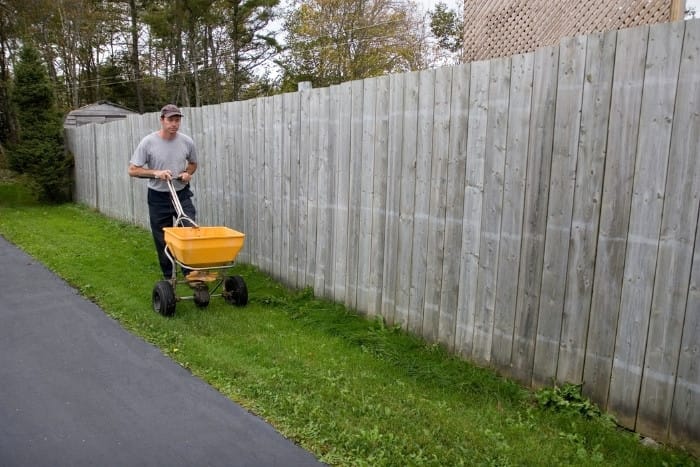
Have you noticed your lawn turning yellow, thinning out, or becoming overrun with weeds, no matter how much you water or mow? Many homeowners across Southeast Texas and Livingston struggle with recurring lawn problems that seem impossible to fix. What often goes unnoticed is that most lawn issues trace back to poor nutrition and improper soil conditions. A professional lawn care fertilizer service can correct these underlying problems and restore your yard’s health through targeted fertilization, soil improvement, and seasonal treatments.
Understanding what causes lawn decline and how professional fertilization addresses those issues can help homeowners avoid repeated frustration and achieve long-term results.
Nutrient Deficiencies That Cause Weak, Yellow Lawns
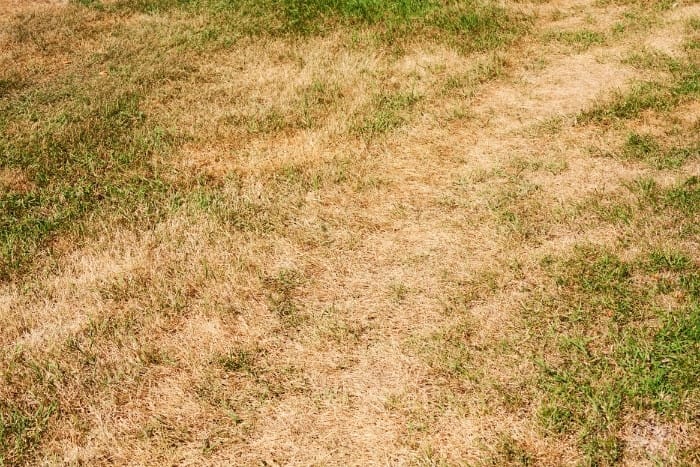
One of the most common lawn problems is nutrient deficiency. When grass lacks essential nutrients like nitrogen, phosphorus, and potassium, it begins to show visible signs of stress. Nitrogen deficiency often leads to pale green or yellow grass, slow growth, and reduced turf density. Phosphorus deficiency can weaken root systems, while potassium deficiency reduces drought tolerance and disease resistance.
A professional lawn care fertilizer service evaluates your soil and turf to determine the proper NPK ratio needed for healthy growth. Using custom-blended fertilizer and slow-release fertilizer, technicians provide steady nutrition that supports stronger roots and greener blades. Balanced fertilization improves grass vigor, helping lawns recover from chlorosis symptoms, reddish tinges, and uneven color.
Patchy Grass, Bare Spots, and Thin Turf

Patchy grass and bare spots are another common concern for homeowners. These problems often stem from uneven nutrient distribution, soil compaction, and improper watering habits. When nutrients cannot reach the root zone, grass struggles to grow evenly, resulting in thin turf and exposed soil.
Professional fertilization programs work alongside core aeration and overseeding to restore lawn density. The aeration process loosens compacted soil and improves water and nutrient absorption. Overseeding fills in sparse areas, creating thicker turf that can withstand foot traffic and seasonal extremes. Combined with proper feeding, these steps help lawns recover faster and maintain consistent growth.
Weed Pressure and Invasive Growth

Weeds often appear when lawns are weak and undernourished. Thin grass allows invasive weeds like crabgrass, dandelions, and clover to take hold. Without proper nutrition, turf cannot compete effectively for sunlight, water, and soil nutrients.
A professional lawn care fertilizer service strengthens turf density through balanced feeding and seasonal fertilization, making it harder for weeds to establish. Technicians often combine fertilization with pre-emergent herbicide applications to prevent weed seeds from germinating. If weeds are already present, post-emergent treatments target existing growth while preserving healthy grass.
By improving turf density and grass vigor, fertilization programs naturally reduce weed pressure and support long-term lawn recovery.
Lawn Diseases and Stress-Related Damage

Lawn diseases such as brown patch, leaf spot disease, and summer patch frequently develop when grass is stressed or nutrient deficient. High humidity and warm temperatures in Southeast Texas create ideal conditions for fungal diseases to spread, especially in undernourished lawns.
Balanced fertilization improves disease resistance by strengthening grass from the roots up. Healthy turf is better equipped to withstand environmental stress and recover from infection. When needed, professionals may recommend fungicide application alongside fertilization to control active turf diseases and prevent further spread.
Maintaining proper nutrition also improves airflow and reduces moisture retention in the canopy, lowering the risk of recurring fungal issues.
Pest Damage and Lawn Recovery

Lawn pests such as white grubs, chinch bugs, and sod webworms can cause extensive damage to turf. These pests feed on roots or grass blades, resulting in brown spots, thinning areas, and weakened growth. Without proper fertilization, lawns struggle to recover from insect-related stress.
A professional fertilization program supports recovery by promoting stronger root systems and improved turf density. When combined with targeted pest control treatments and grubwormtreatments, fertilization helps lawns bounce back more quickly and resist future infestations. Healthy grass with deep roots can better withstand insect activity and maintain consistent growth.
Soil Compaction, Drainage Issues, and Thatch Buildup

Soil conditions play a major role in lawn health. Soil compaction, poor drainage, and excessive thatch prevent nutrients from reaching the root zone. Compacted soil restricts root growth and limits oxygen flow, while thick thatch layers block water and fertilizer absorption.
Professional lawn care services address these issues through soil cultivation, aeration, and dethatching. Aeration relieves compaction and improves drainage, while dethatching removes accumulated debris that prevents nutrient penetration. When paired with proper fertilization, these practices enhance microbial activity and improve overall soil health.
Improved soil structure allows fertilizers to work more effectively, supporting deeper roots and stronger turf.
Avoiding Common Fertilization Mistakes

Many homeowners unintentionally worsen lawn problems through improper fertilization practices. Over-fertilization can lead to fertilizer burn, causing brown patches and damaged roots. Applying the wrong product or using inconsistent watering can also disrupt nutrient absorption and lead to recurring decline.
Professional technicians understand proper application rates, seasonal timing, and soil requirements. They use slow-release formulas and bio-nutrients such as humic acid and fulvic acid to improve soil health and nutrient uptake. This careful approach prevents damage while delivering consistent results.
Proper mowing techniques and irrigation practices also support fertilization success. Avoiding scalping damage, maintaining correct mowing height, and watering appropriately help nutrients reach the root system more efficiently.
Seasonal Fertilization for Long-Term Lawn Health

Effective lawn care requires year-round attention. Seasonal fertilization ensures that grass receives the right nutrients at the right time. Spring fertilization promotes green-up and early growth, while early summer applications support resilience during heat. Late summer fertilizer helps maintain vigor through high temperatures, and fall fertilization strengthens roots for cooler months.
Winter soil conditioning supports microbial activity and prepares lawns for the next growing season. This comprehensive approach helps turf withstand drought stress, heavy rainfall, and temperature fluctuations common in Southeast Texas.
A customized fertilization schedule tailored to local conditions allows lawns to recover from seasonal extremes and maintain consistent health throughout the year.
Why Professional Fertilization Makes a Difference

Many lawn problems cannot be solved with one-time treatments or store-bought products. Long-term success requires a strategic approach that considers soil health, nutrient balance, and seasonal conditions. A professional lawn care fertilizer service evaluates your lawn’s specific needs and builds a customized program to address underlying issues.
From correcting nutrient deficiencies to improving turf density and disease resistance, professional fertilization supports every aspect of lawn health. When combined with aeration, weed control, and pest management, it creates a complete solution that prevents recurring problems rather than just treating symptoms.
If your lawn is struggling with patchy grass, weeds, discoloration, or slow growth, it may be time for expert help.
Restore Your Lawn With Professional Help

Recurring lawn problems can be frustrating, but they don’t have to be permanent. With the right fertilization strategy and professional care, your yard can recover and thrive in every season.
If you’re ready to solve persistent lawn issues and build a healthier, greener yard, learn more about our lawn care fertilizer service today. Broken Arrow Pest Control provides customized fertilization and lawn treatment programs designed specifically for Southeast Texas conditions. Contact our team to schedule your lawn evaluation and take the first step toward a stronger, more resilient lawn.