
Are you dealing with a persistent pest problem around your roofline or foundation, and you just cannot figure out where they are coming from? Before you schedule another round of treatments, take a look up. Your gutters might be the real culprit.
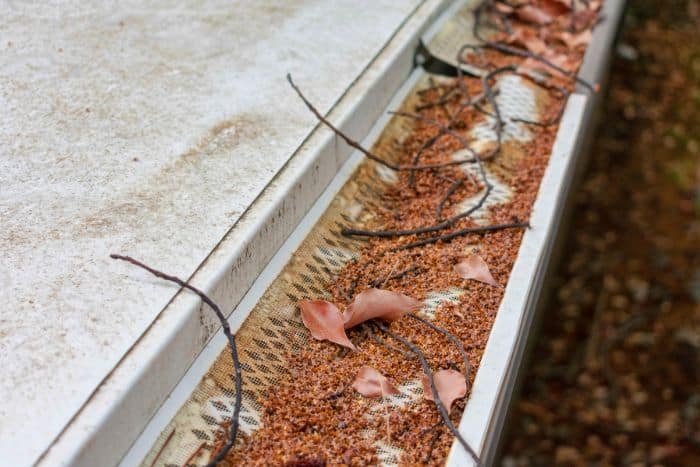
Clogged gutters are one of the most overlooked contributors to pest activity in East Texas homes. When gutters fill up with leaf debris, pine needles, and standing water, they do not just cause water damage. They create a set of conditions that insects and rodents actively seek out. Understanding the connection between gutter maintenance and pest prevention can save you a lot of trouble, and a lot of money, in the long run.
Why East Texas Homes Are Especially Vulnerable
In the Piney Woods region of Southeast Texas, gutters take a beating. Between the towering pine trees dropping needles year-round and the sprawling East Texas hardwood trees shedding leaves every fall, debris accumulates fast. Add in the Gulf humidity and the regular thunderstorms that roll through Polk County, Livingston, and the surrounding area, and you have a recipe for gutters that clog quickly and stay wet for extended periods.
That combination of organic material and moisture is exactly what pests are looking for. The warmer months here bring enough heat and rainfall to turn a neglected gutter into an active pest harborage site. Most homeowners do not realize the problem until they start noticing insects or rodents in places they should not be.
Standing Water and Mosquito Breeding: A Direct Connection
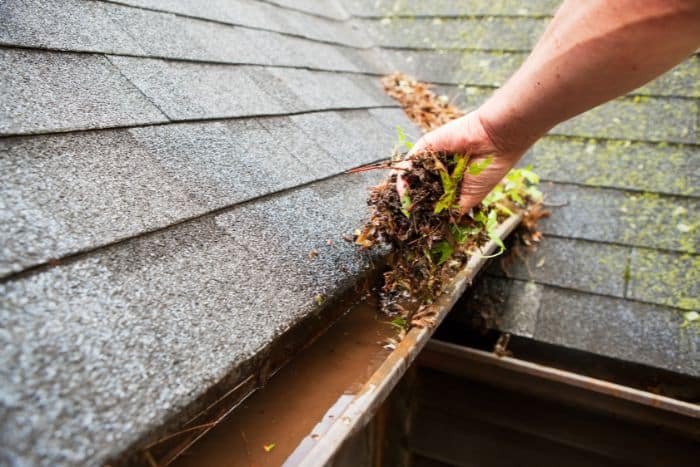
Mosquitoes need stagnant water to breed, and they do not need much of it. Even a small section of blocked gutter holding an inch of standing water is enough for a mosquito population to establish itself. During the East Texas mosquito season, which can stretch from early spring well into fall, a single clogged section of gutter can produce hundreds of mosquitoes over the course of a few weeks.
Because gutters sit at the roofline and overhang the perimeter of your home, mosquitoes breeding there can quickly move inside and throughout your yard. If you have been fighting a mosquito problem and your yard treatments do not seem to be holding, a gutter blockage overhead may be reintroducing them faster than any treatment can keep up with.
Regular gutter cleaning removes the standing moisture that makes insect breeding sites possible in the first place. That is not a secondary benefit. It is a core part of mosquito control for Southeast Texas homeowners.
Decomposing Debris Attracts Ants, Cockroaches, and Beetles

Wet, rotting organic matter is a food source and a shelter for a wide range of insects. When pine needles and leaves sit in your gutters long enough, they begin to break down into a moist, dark layer of decomposing material. This is highly attractive to several common household pests, including:
- Ants, particularly carpenter ants and odorous house ants that forage in moist environments
- Cockroaches, which thrive in warm, damp conditions with access to organic material
- Certain beetle species that feed on decaying plant matter and fungal growth
Once these insects establish themselves in your gutters, they have a direct path along the roofline and fascia board into your attic, walls, and interior spaces. An ant infestation that seems to be coming from nowhere is often tracing back to a moisture-rich entry point near the roofline that has gone unnoticed.
Gutter debris removal does not just clear a drainage path. It eliminates the food source and harborage that these insects depend on. When debris buildup is addressed consistently, the conditions that support a cockroach infestation or beetle infestation near the roofline simply do not exist.
Wasps and Hornets Love Clogged Gutters and Roof Eaves

Wasps and hornets look for sheltered spaces with nearby moisture when they are scouting for nest-building locations. Clogged gutters and protected roof eaves check both boxes. If you have noticed wasp nests or hornet nests forming near your gutters each spring, debris buildup and moisture accumulation are almost certainly contributing factors.
These insects are not just a nuisance. Wasp and hornet stings are painful and, for people with allergies, potentially dangerous. A nest tucked into a gutter or along the eave line can go unnoticed until it is quite large, and removal becomes more complicated the longer it grows.
Keeping gutters clear of leaf accumulation and standing moisture removes one of the primary conditions that make your roofline attractive for nest building in the first place. Pest management around the roofline always works better when the environmental conditions driving the activity are addressed alongside the treatment.
Rodent Activity Along the Roofline: More Common Than You Think

Rodents, particularly rats and squirrels, are excellent climbers. They use tree branches, downspouts, and any rough surface to access your roofline. When gutters are packed with leaf debris and organic material, they become an attractive staging area for rodents moving toward your attic or wall cavities.
Leaf-filled gutters provide cover and nesting material for rodents working their way into your home. Rodent harborage at the roofline is a serious concern in East Texas, where dense tree canopy gives squirrels and roof rats easy access to homes throughout Polk County, San Jacinto County, and neighboring areas.
If you have heard scratching near your roofline or noticed signs of gnawing around your eaves, the combination of pest control treatment and gutter maintenance is the most effective approach. Treating the rodent activity without removing the harborage that drew them in leaves the door open for the problem to return.
Overflowing Gutters Extend the Problem Down Your Walls and Foundation

A gutter blockage does not just create problems at the roofline. When water cannot move through a clogged system, it overflows along the fascia board and runs down the exterior siding. That moisture accumulation along your walls creates a second set of conditions that attract and sustain pest activity lower on the structure.
Fascia and Siding Damage Creates Pest Entry Points
Prolonged moisture against wood fascia boards causes softening and rot. Wood-damaging insects, including termites and carpenter ants, are drawn to wood that is already weakened by moisture. What begins as a gutter overflow problem can turn into structural damage that invites serious pest pressure along the entire side of your home.
Siding damage from gutter overflow also creates physical gaps and cracks that serve as pest entry points for a wide range of insects. Once those openings exist, it becomes significantly harder to maintain a pest-free interior regardless of how thorough your treatment schedule is.
Foundation Moisture Encourages Insects at Ground Level
When gutter overflow reaches the ground near your foundation, standing moisture accumulates in the soil. That foundation moisture creates ideal conditions for subterranean termites, moisture ants, and cockroaches that live and breed in soil near structures. In the humid climate of Southeast Texas, this is not a minor concern. It is a direct pathway for some of the most damaging pest species in the region.
A properly functioning gutter system moves water away from your foundation, and that matters for pest prevention just as much as it matters for water damage prevention.
Mold Growth Compounds the Conditions that Attract Insects

Moisture damage from clogged and overflowing gutters frequently leads to mold growth along fascia boards, soffits, and interior wall spaces. Mold thrives in the same conditions that many insects prefer, and certain species of beetles, flies, and other insects are specifically attracted to fungal growth.
Mold also signals the kind of sustained moisture problem that makes pest management increasingly difficult. If mold is present, the underlying moisture issue needs to be addressed before pest control can be fully effective. In many cases, tracing that moisture back to a downspout blockage or gutter overflow is the starting point for resolving the entire situation.
How Gutter Guard Installation Reduces Long-Term Pest Pressure

Gutter guards do not eliminate the need for occasional maintenance, but they significantly reduce how quickly debris accumulates in your gutters between cleanings. For East Texas homeowners dealing with heavy leaf accumulation from hardwood trees and constant pine needle drop, that reduction in leaf debris buildup makes a real difference in how often pest-attracting conditions can develop.
By keeping gutter channels cleaner and allowing water to move freely, gutter guard installation reduces standing water, limits decomposing organic matter, and makes your gutters far less hospitable to the insects and rodents that look for those conditions. It is a practical, longer-term solution for homeowners who want to reduce the overall pest pressure on their home exterior without relying solely on more frequent cleanings.
If you have had recurring pest issues near your roofline or along your exterior walls, and you are also dealing with frequent gutter clogs, gutter guard installation is worth a serious conversation with your service provider.
What Homeowners Can Do: Practical Gutter Maintenance Tips

You do not have to wait until you are dealing with an active pest infestation to take action. Staying ahead of gutter-related pest conditions comes down to consistent maintenance. Here is what that looks like in practice:
- Schedule gutter cleaning at least twice a year, ideally in late spring and late fall after major leaf drop has finished
- After major storms, do a visual inspection of your gutters for visible clogs or overflow marks on your fascia
- Watch for signs of pest activity near your roofline, eaves, and foundation, and consider whether recent gutter overflow could be a contributing factor
- If you are finding ants, cockroaches, or other insects repeatedly entering through the same area, inspect the exterior above that entry point for moisture damage or pest harborage conditions
- Consider gutter guards if you live under a heavy tree canopy, which is common throughout the Piney Woods region
When pest activity near the roofline or foundation is persistent despite treatment, a gutter inspection is one of the first steps a professional should recommend. If it has not come up, raise it yourself.
When to Call a Professional for Gutter and Pest Issues Together

DIY gutter cleaning is possible for single-story homes with safe ladder access, but it comes with real risk. Falls from ladders are a leading cause of home maintenance injuries, and working at roofline height on a wet or unstable surface increases that risk significantly. Beyond safety, professionals can identify early signs of fascia damage, downspout blockage, or pest harborage that a homeowner doing a quick visual from the ground would likely miss.
When you are dealing with both pest activity and potential gutter problems, coordinating professional gutter cleaning with your residential pest control service gives you a clearer picture of what is driving the issue. Treating one without addressing the other often leads to repeated problems and repeated costs.
Gutter Maintenance is Pest Prevention

Clogged gutters are more than a water management problem. They are a pest problem. Standing water breeds mosquitoes. Decomposing debris attracts ants, cockroaches, and beetles. Protected moisture-rich spaces invite wasp nests and hornet nests. Leaf-filled gutters give rodents a place to stage before entering your home. And gutter overflow drives moisture damage that creates pest entry points and insect breeding sites from the roofline all the way down to your foundation.
For Southeast Texas homeowners dealing with the combination of heavy tree canopy, Gulf humidity, and frequent storms, staying on top of gutter upkeep is one of the most practical things you can do to reduce overall pest pressure on your home. It supports every other form of pest management you invest in.
If you have let your gutters go for a season or two, or if you are noticing pest activity that does not seem to respond to treatment, now is a good time to address both issues at once.
Schedule Gutter Cleaning and Pest Control in East Texas Today

Broken Arrow Pest Control has been serving Livingston, Lufkin, Polk County, and the surrounding East Texas communities since 1976. Our team understands the local conditions that drive pest activity, and we offer gutter cleaning, gutter guard installation, and home pest control services that work together to protect your property from the outside in.
If you are ready to stop dealing with recurring pest issues and get your gutters back in shape, request an estimate or schedule your service today. Our licensed and insured technicians at Broken Arrow Pest Control are ready to help protect your home with the local expertise East Texas homeowners have trusted for decades.