
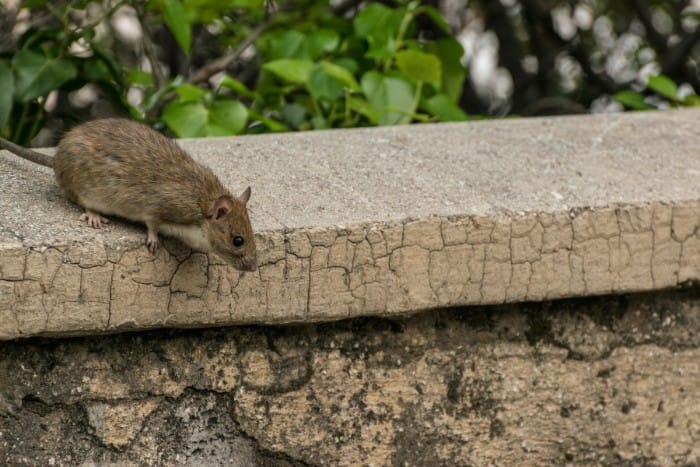
Have you noticed droppings near your pantry, gnaw marks on baseboards, or strange scratching sounds after dark? In Southeast Texas, rodent pressure is a year-round reality, not a seasonal inconvenience. The combination of mild winters, dense Piney Woods vegetation, and the kind of persistent humidity that keeps everything a little damp creates ideal conditions for rats and mice to settle in and stay.
Most homeowners only think about rodent control after they spot clear signs of an infestation. But by that point, rodents have usually been active for weeks. A prevention-focused approach, one that removes what attracts them before they arrive, is far more effective and far less expensive than reacting after the fact. Here is what Southeast Texas homeowners need to know.
Why Rodent Prevention Matters More in Southeast Texas
Rodent activity does not slow down much here the way it does in colder climates. Southeast Texas winters are mild enough that roof rats, Norway rats, and house mice remain active well into the months when other parts of the country get a natural break. That means your home and property need to be defended across more of the calendar.
Add the regional factors, heavy canopy from oak and pine trees, dense understory vegetation, regular rainfall, and high ambient humidity, and you have an environment where rodents find food, water, and shelter in abundance. The goal of prevention is to make your property the least attractive option on the block.
The Three Things Every Rodent Is Looking For

Rodent behavior comes down to three basic needs: food, water, and shelter. Address all three and you dramatically reduce your risk. Ignore even one and you are leaving a door open.
Food Sources That Attract Rodents
Rodents do not need much to survive. A small, consistent food source is enough to keep them coming back and establishing a territory. Common attractants around Southeast Texas homes include:
- Pet food left out overnight, especially in garages or on porches
- Bird feeders and scattered bird seed, which are among the most overlooked attractants
- Unsecured trash cans or compost bins
- Fruit or nuts that drop from trees and are left on the ground
- Open pantry items stored in cardboard boxes or paper bags
Store pet food in sealed, hard-sided containers. If you feed birds, use feeders designed to limit spillage and consider bringing them in at night. Inside the home, move pantry staples into airtight containers, particularly grains, cereals, and dried goods that rodents can chew through easily.
Water Sources and Moisture Control
Southeast Texas humidity is constant, but standing water and preventable moisture take the problem further. Rodents need water access to survive, and properties that provide it are far more attractive than those that do not.
Practical steps to reduce moisture that draws rodents:
- Fix dripping outdoor faucets and repair leaky pipes under sinks and in crawl spaces
- Improve drainage in low spots where water pools after rain
- Clean your gutters regularly so water does not back up and overflow near the foundation
- Address condensation on A/C lines and around utility penetrations
- Make sure downspouts direct water away from the house, not toward it
Keeping gutters clear is one of the most underrated steps in rodent prevention. When gutters overflow, water pools along the foundation and creates a consistent moisture source right at the base of your home, exactly where Norway rats like to burrow.
Shelter and Harborage Sites
Rodents need protected places to nest, raise young, and stay hidden during daylight hours. Many homeowners unknowingly provide ideal harborage sites without realizing it.
Reduce exterior harborage by:
- Keeping woodpiles elevated and stored at least 18 inches off the ground and away from exterior walls
- Cutting back dense vegetation, ground cover, and overgrown shrubs within a few feet of the foundation
- Removing debris piles, old equipment, or stored materials that rodents can nest under
- Keeping grass trimmed and maintaining a clear zone around the perimeter of your home
Rodent Exclusion: Sealing the Right Entry Points

Exclusion, sealing the openings rodents use to get inside, is one of the most effective long-term prevention strategies available. But it only works if you know where to look. Different species use different entry points, and that distinction matters.
Roof Rats: High Entry Points on Wooded Lots
Roof rats are common across Southeast Texas, particularly on properties with significant tree canopy. They are agile climbers and prefer to enter homes from above. Their most common access points include:
- Soffits with gaps, cracks, or damaged panels
- Attic vents without intact wire mesh or screens
- The roofline where fascia has pulled away or sections have deteriorated
- Overhanging tree branches that allow them to jump directly onto the roof
- Utility lines running from poles to the house, which they use as bridges
Trimming branches so they do not overhang the roof by at least six feet removes a primary access route. Checking soffits, vents, and the roofline for gaps should be part of any annual home maintenance routine.
Mice and Norway Rats: Ground-Level Entry Points
Mice and Norway rats focus on ground-level access. Mice in particular can squeeze through an opening roughly the size of a dime, about a quarter inch, which is roughly the width of a pencil. That makes even small gaps significant.
Common ground-level entry points to inspect and seal:
- Gaps around utility penetrations where pipes, conduit, or cables enter the home
- The gap between a garage door and the floor when the seal is worn
- Foundation cracks or openings where the sill plate meets the foundation
- Gaps beneath exterior doors without proper door sweeps
- Crawl space vents that are damaged or missing screens
When sealing entry points, use the right materials. Steel wool packed into gaps and secured with caulk, hardware cloth for larger openings, and foam sealant alone is not sufficient since rodents can chew through it. A licensed pest control professional can assess your home and identify openings that are easy to miss during a DIY inspection.
How to Tell Whether Your Prevention Is Working

Rodent prevention is not a one-time project. It requires periodic monitoring to catch problems early, before they become established infestations. Knowing what to look for makes all the difference.
Signs that rodents may have found a way in despite your efforts:
- Fresh droppings, particularly in pantries, under sinks, along walls, or in the garage
- New gnaw marks on wood, wiring, or food packaging
- Recurring activity in the same spot after you have cleaned it up
- Nesting material such as shredded paper, insulation, or fabric in hidden areas
- Grease marks or dark smudging along walls where rodents travel repeatedly
Fresh droppings are the most reliable indicator of active rodent presence. Old droppings are dry and crumble; fresh ones are dark and pliable. If you are consistently finding fresh signs in the same area, that location is being used as a regular travel route or nesting site.
When Prevention Alone Is Not Enough

Rodent exclusion and habitat modification reduce risk significantly, but they do not guarantee that an infestation will never develop. If rodents are already established inside your home, prevention steps alone will not solve the problem. Trapping and treatment need to happen first.
This is also where ongoing professional service provides real value over repeated one-off efforts. A licensed pest professional can:
- Identify entry points that are difficult to access or not visible from ground level
- Assess the extent of activity before recommending a treatment approach
- Handle trapping and removal safely and thoroughly
- Recommend and implement structural exclusion that is built to last
- Monitor activity over time through a recurring pest control plan
A recurring service plan also means someone is watching for early signs of activity before it becomes a serious problem. That kind of consistent monitoring is difficult to replicate on your own, especially with species like roof rats that tend to stay hidden in attic spaces until the population is already well established.
Rodent Prevention Checklist for Southeast Texas Homeowners

Use this as a seasonal reference to keep your property less attractive to rodents throughout the year:
Food and Pantry
- Store pet food in sealed, hard-sided containers
- Bring bird feeders in at night or switch to low-spillage designs
- Transfer pantry staples into airtight containers
- Keep trash cans sealed and away from the home
- Clean up fallen fruit, nuts, or debris from trees
Moisture and Drainage
- Repair leaky faucets, pipes, and A/C condensate lines
- Clean gutters at least twice a year, more often under heavy pine and oak canopy
- Confirm downspouts direct water six feet or more from the foundation
- Address low spots in the yard where water pools after rain
Harborage Reduction
- Elevate and reposition woodpiles away from exterior walls
- Trim vegetation and ground cover around the foundation
- Remove debris piles, unused equipment, and stored materials from the yard
Exclusion
- Inspect and repair soffits, attic vents, and roofline gaps
- Trim tree branches away from the roofline
- Seal utility penetrations with steel wool and caulk or hardware cloth
- Replace worn garage door seals
- Install or repair door sweeps on exterior doors
- Check and repair crawl space vents
Final Thoughts
Rodent prevention in Southeast Texas requires more consistency than it does in most parts of the country. The mild climate, dense tree canopy, and persistent humidity create conditions that keep rats and mice active year-round. The good news is that targeted, practical steps, removing food sources, reducing moisture, cutting back harborage, and sealing entry points, make a measurable difference.
The key is knowing where to focus. Roof rats on wooded lots need different attention than Norway rats or mice exploiting ground-level gaps. Getting that right the first time is harder without professional assessment, and sealing the wrong spots while missing the right ones gives homeowners a false sense of security.
If rodent signs are already showing up in your home, prevention steps need to follow treatment, not replace it. And if you want ongoing protection without repeated one-off responses, a recurring professional plan is the more reliable path.
Schedule Rodent Control Services in Southeast Texas

Broken Arrow Pest Control has served Livingston, Lufkin, and the surrounding communities of Polk County, San Jacinto County, Trinity County, and across Southeast Texas since 1976. Our licensed technicians can inspect your home, identify the entry points and conditions driving rodent pressure, and put a plan in place that actually holds.
Do not wait until you have a full infestation on your hands. Reach out today and get ahead of the problem.
Schedule your rodent control service in Southeast Texas today.