
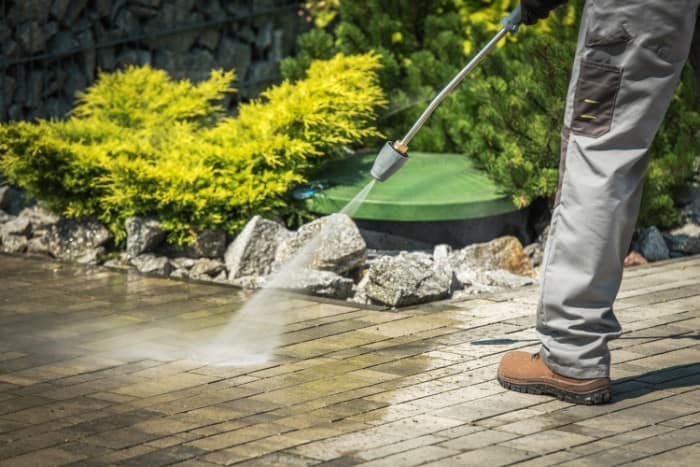
Is the outside of your home starting to look more like a science experiment than a place you are proud of? Between Gulf humidity, seasonal storms, and the constant drip of pine sap, Southeast Texas homes take a beating year-round. Dirt, mold, mildew, and algae do not just make a home look worn down; over time, they can work against the surfaces that protect your investment.
Pressure washing is one of the most practical tools a homeowner has for keeping exterior surfaces clean and well-maintained. But using it correctly matters. The wrong technique, the wrong pressure setting, or the wrong nozzle on the wrong surface can cause real damage. This guide breaks down the fundamentals so you know what pressure washing actually is, when it makes sense, and how to approach it as part of responsible home exterior maintenance in East Texas.
What Is Pressure Washing?
Pressure washing is a cleaning method that uses a motorized pump to force water through a wand and nozzle at high speed. The force of the water, measured in PSI (pounds per square inch), is what does the heavy lifting when it comes to removing dirt, grime, and organic growth from hard surfaces. It is a straightforward concept, but the execution requires understanding both the equipment and the surface you are cleaning.
How It Works
A pressure washer pulls water from a standard garden hose connection, pressurizes it through an internal pump, and delivers it through a wand fitted with an interchangeable spray nozzle. The wide fan tip spreads water across a broad surface area for general cleaning, while narrower nozzles concentrate pressure for stubborn stains. Many units also allow you to introduce a detergent or cleaning solution into the stream, which helps break down biological growth and surface stains before rinsing.
The key variables you control are water pressure, spray angle, nozzle choice, and distance from the surface. Getting these right makes the difference between a thorough clean and a damaged surface.
Pressure Washing vs. Power Washing vs. Soft Washing
These three terms get used interchangeably, but they are not the same thing. Pressure washing uses unheated water at high PSI. Power washing uses heated water, which can be more effective on oil-based stains or grease buildup, making it common in commercial settings. Soft washing, on the other hand, uses low water pressure combined with specialized cleaning solutions to safely treat delicate surfaces like vinyl siding, painted wood, and roof shingles.
For most residential exterior cleaning projects in Southeast Texas, the choice between high-pressure washing and soft washing depends entirely on the surface. Concrete driveways and brick can handle more pressure. Siding, fencing, and wooden decks often require a gentler approach.
Why Homeowners in East Texas Need Exterior Cleaning
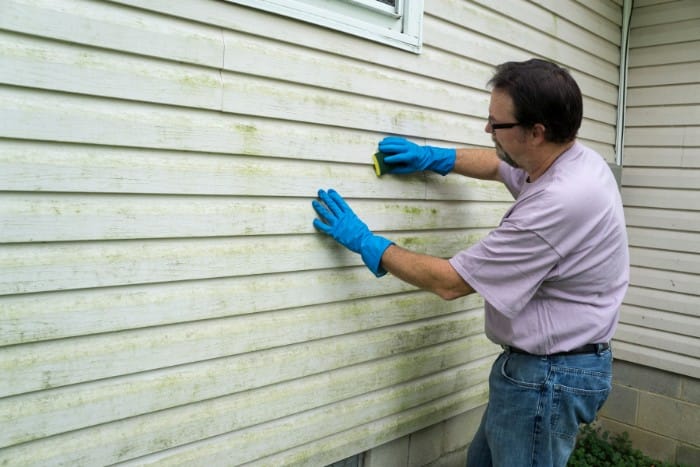
East Texas conditions are uniquely demanding on home exteriors. The combination of Gulf humidity, heavy spring and fall rainfall, and dense tree canopy creates the perfect environment for organic growth to take hold on virtually any outdoor surface. What starts as a light discoloration can develop into embedded mold and mildew if left untreated, especially on north-facing surfaces that stay damp and shaded.
The Role of Climate and Vegetation
Livingston, Polk County, and the surrounding Pineywoods region see significant rainfall throughout the year. That moisture, combined with heat and shade from surrounding pine and oak trees, creates ideal conditions for algae, mold, and mildew to colonize siding, driveways, patios, fences, and sidewalks. Pine sap deposits and tannins from fallen oak leaves can also cause surface staining that simple hosing will not remove.
Hurricane season brings a different challenge altogether. Storm debris, wind-driven grime, and standing water accelerate buildup on exterior surfaces in ways that homeowners in other climates simply do not experience. Regular outdoor surface cleaning is not optional in this region; it is part of protecting what you own.
The Benefits of Routine Pressure Washing
Beyond aesthetics, keeping exterior surfaces clean has real practical value. Here is what homeowners consistently see when they make pressure washing part of their home exterior maintenance routine:
- Grime removal before it becomes embedded, which preserves the condition of siding, concrete, and painted surfaces
- Reduction in mold and mildew that can affect indoor air quality when spores migrate through vents and gaps
- Improved curb appeal, which matters for both day-to-day satisfaction and long-term property value
- A cleaner environment around entry points, reducing the debris and standing moisture that attract pests
Common Surfaces That Benefit from Pressure Washing

Not every surface around your home needs the same treatment, but many will benefit from some form of exterior cleaning. Understanding which surfaces respond well to high-pressure washing and which require a softer approach will save you time, money, and the headache of repairing avoidable damage.
Driveways, Sidewalks, and Walkways
Concrete driveways and sidewalks are among the best candidates for high-pressure cleaning. These hard surfaces can tolerate the PSI needed to cut through oil stains, tire marks, embedded dirt, and biological growth. In East Texas, algae and mildew thrive in shaded concrete areas, and the discoloration they cause can make even newer surfaces look years older. A thorough concrete driveway cleaning restores surface appearance and can reduce slippery conditions caused by algae growth.
Patios and Outdoor Living Spaces
Patio cleaning is one of the most common residential pressure washing jobs in the Pineywoods area. Concrete and paver patios accumulate dirt buildup, organic growth, and debris from surrounding trees quickly. Because many East Texas homes have covered patios or ones shaded by tree canopy, moisture stays trapped and accelerates the growth of mold and algae. A seasonal clean keeps these spaces usable and visually appealing throughout the year.
Fences and Decks
Fence cleaning and deck cleaning both require more care than cleaning concrete. Wood surfaces, in particular, are susceptible to damage from high-pressure washing if the nozzle is held too close or the PSI is set too high. The wood grain can splinter, and excessive water pressure can drive moisture deep into the wood, accelerating rot rather than preventing it. Vinyl fencing holds up better to pressure but still benefits from a moderate, controlled approach. The goal is to remove surface contaminants without compromising the material itself.
House Washing and Siding
Vinyl siding and fiber cement siding are common on East Texas homes, and both can be cleaned effectively, but they require different approaches. Vinyl siding generally responds well to soft washing: low water pressure with a detergent application that lifts mold and algae without forcing water behind the panels. Fiber cement siding is more durable but still benefits from low-pressure rinsing rather than high-pressure blasting, which can compromise the surface finish. Improper house washing is one of the most common causes of water intrusion around windows and door frames.
Garage Floors
Garage floor cleaning is often overlooked, but concrete garage floors accumulate oil, grease, and tracked-in debris that can make the space difficult to use and harder to sell. High-pressure cleaning combined with a degreasing solution works well on uncoated concrete garage floors. If your garage floor has an epoxy coating, be cautious: aggressive pressure washing can chip or lift the coating if not done correctly.
When Pressure Washing Can Cause Damage

Pressure washing is powerful, and that is exactly why it needs to be used with care. Homeowners who approach it without understanding PSI limits, appropriate nozzle selection, and material-specific cleaning methods can cause damage that costs more to repair than the original cleaning job would have cost to hire out. Knowing what to watch for is the first step toward safer exterior surface protection.
Delicate Materials and Surface Damage
Delicate materials like cedar shingles, older painted wood, stucco, and composite materials are particularly vulnerable to improper technique. High PSI can strip paint, gouge wood, crack stucco, and compromise caulking around windows. These are not minor cosmetic issues; they are entry points for water, pests, and mold. Always check manufacturer guidance for your specific siding or surface material before using any pressure washing equipment on it.
Water Intrusion Risks
One of the more serious risks of high-pressure washing on a home’s exterior is water intrusion. Directing high-pressure water upward, at an angle toward gaps, or directly at window and door seams can force water past weatherstripping and into wall cavities. In Southeast Texas, where humidity is already high, trapped moisture inside walls becomes a serious mold and structural problem quickly. Safe cleaning method standards dictate that you always spray downward at surfaces and keep nozzles moving to avoid saturating any single point.
DIY Pressure Washing vs. Hiring a Professional

Renting or buying a pressure washer and handling the job yourself is a reasonable option for some surfaces and some homeowners. But it is not the right call for every situation. Understanding where DIY pressure washing makes sense and where professional pressure washing is worth the investment will help you make a more informed decision about your home.
When DIY Makes Sense
DIY cleaning works reasonably well for flat, open concrete surfaces like driveways, walkways, and sidewalks where there is little risk of damaging adjacent materials. If you are comfortable with equipment, have time to learn the basics, and are working on durable surfaces away from the home’s structure, a consumer-grade pressure washer can get the job done. Start with a wide fan tip, keep a consistent distance, and test a small area before committing to the full surface.
When to Call a Professional
For anything touching the home’s structure, including siding, decks, roof lines, and areas near windows or electrical components, professional pressure washing is the safer investment. Licensed and insured technicians understand how to match equipment settings to surface requirements, how to avoid water intrusion, and how to handle the runoff management that comes with large-scale exterior cleaning. They also carry liability coverage in case something goes wrong, which matters when you are talking about the exterior of your home.
East Texas homes also present specific challenges that experience helps navigate, including how to work around old-growth trees, manage slope and drainage, and treat the specific strains of organic growth common to the Pineywoods region.
Environmental Considerations for Responsible Exterior Cleaning

Pressure washing generates wastewater that carries detergents, sediment, mold spores, and other contaminants. In a state like Texas, where waterways and drainage systems connect to larger ecosystems, responsible handling of that runoff matters. Federal EPA guidance and local NPDES (National Pollutant Discharge Elimination System) standards address how pollutant discharge from exterior cleaning should be managed, particularly when cleaning solutions are involved.
Managing Soap Runoff and Wastewater
When cleaning solutions are used, soap runoff should not be allowed to flow freely into storm drains. Many municipalities prohibit the discharge of soapy wastewater into storm sewer systems because it does not go through treatment before reaching local waterways. Responsible exterior cleaning includes containing runoff where possible, using biodegradable cleaning solutions, and being mindful of where water drains on your property.
Sediment Control and Environmental Compliance
Sediment control is another factor, particularly when cleaning large paved areas like driveways and commercial parking surfaces. Debris and sediment dislodged during cleaning can clog drainage systems and carry pollutants into the surrounding environment. Professional pressure washing companies familiar with environmental compliance best practices will account for these factors as part of the job, which is one more reason their services carry value beyond just equipment quality.
Common Misconceptions About Pressure Washing

Even homeowners who have used pressure washers before sometimes carry incorrect assumptions about what the equipment can and cannot do. Clearing up a few of the most common misconceptions will help you approach any cleaning project with realistic expectations and better results.
More Pressure Is Always Better
This is one of the most damaging assumptions a homeowner can bring to a pressure washing project. Higher PSI is appropriate for industrial concrete or heavily soiled commercial surfaces, not for most residential applications. On wood, painted surfaces, or siding, excessive pressure strips protective coatings, splinter material, and opens gaps that invite moisture and pests. Surface cleaning effectiveness comes from the right combination of pressure, nozzle angle, cleaning solution, and dwell time, not from maxing out the PSI.
Pressure Washing Replaces Regular Maintenance
Pressure washing is a powerful tool for periodic deep cleaning, but it is not a substitute for ongoing preventive maintenance. In Southeast Texas, the conditions that cause buildup do not stop between cleaning sessions. Gutters still need clearing, siding still accumulates moisture, and organic growth returns faster in humid climates. Think of pressure washing as one component of a broader exterior maintenance strategy, not a once-and-done fix.
Any Surface Can Handle a Pressure Washer
Not all surfaces are candidates for high-pressure cleaning. Older brick and mortar, wood shingles, painted decorative surfaces, and certain stone materials can be damaged by direct high-pressure water. When in doubt, soft washing or a consultation with a local expert is always the smarter starting point. Replacing damaged siding or refinishing a deck costs significantly more than taking a careful approach from the beginning.
Key Takeaways

Pressure washing is one of the most practical investments a Southeast Texas homeowner can make in their property’s appearance and long-term condition. The Gulf humidity, pine and oak debris, heavy rainfall, and storm seasons that define life in Polk County, San Jacinto County, and the surrounding region create the kind of buildup that needs more than a garden hose to address.
Here is what to keep in mind as you plan your next exterior cleaning project:
- Pressure washing and soft washing are different tools suited to different surfaces; using the wrong one causes damage
- East Texas conditions accelerate organic growth on all exterior surfaces, making regular cleaning a necessity rather than a luxury
- Concrete, driveways, patios, and walkways are strong candidates for high-pressure cleaning; siding, decks, and wood fencing require more care
- DIY cleaning is reasonable for open concrete surfaces; anything involving your home’s structure benefits from professional pressure washing
- Responsible exterior cleaning includes managing runoff and avoiding pollutant discharge into storm drains
Ready to Clean Up Your Home’s Exterior?

If your driveway, siding, patio, or fence is overdue for a serious clean, you do not have to figure it out on your own. Broken Arrow Pest Control has been serving East Texas homeowners since 1976, and our local experts understand exactly what Southeast Texas conditions do to home exteriors. We use the right methods for the right surfaces, so you get results without the risk of damage.
Schedule your professional pressure washing service in East Texas today and let our team protect your home’s appearance and value. Contact us to request an estimate and get ahead of the problem before the next round of storms rolls in.